SWITCH YOUR DEVICE FOR A BETTER EXPERIENCE
(lab)
Websites
brand identities
Products & apps
info@nicolaromei.com
Italy-based, available worldwide
For tech, fashion & lifestyle clients
9:00:24 CET
Project name : Lab.
Other Matter
other-matter
WebGL exhibition
2026
Six materials that do not exist, catalogued like specimens and rendered live, each with its own response to the cursor and its own voice. One WebGL scene sits over the page and every specimen is pinned to a DOM element, so grid and gallery move the same objects instead of reloading them.
other-matter-ten.vercel.appA live catalogue of six impossible materials, with no pages and no reloads.
Live, 2026
Engine: three.js r186; Motion: GSAP 3.15 + Lenis 1.3; Hands: MediaPipe Tasks Vision 1.0.1
Snippet
const dist = h / 2 / Math.tan(THREE.MathUtils.degToRad(this.camera.fov / 2));
this.camera.aspect = w / h;
this.camera.position.set(0, 0, dist);
three r186 · 1 world unit = 1 CSS px
Code
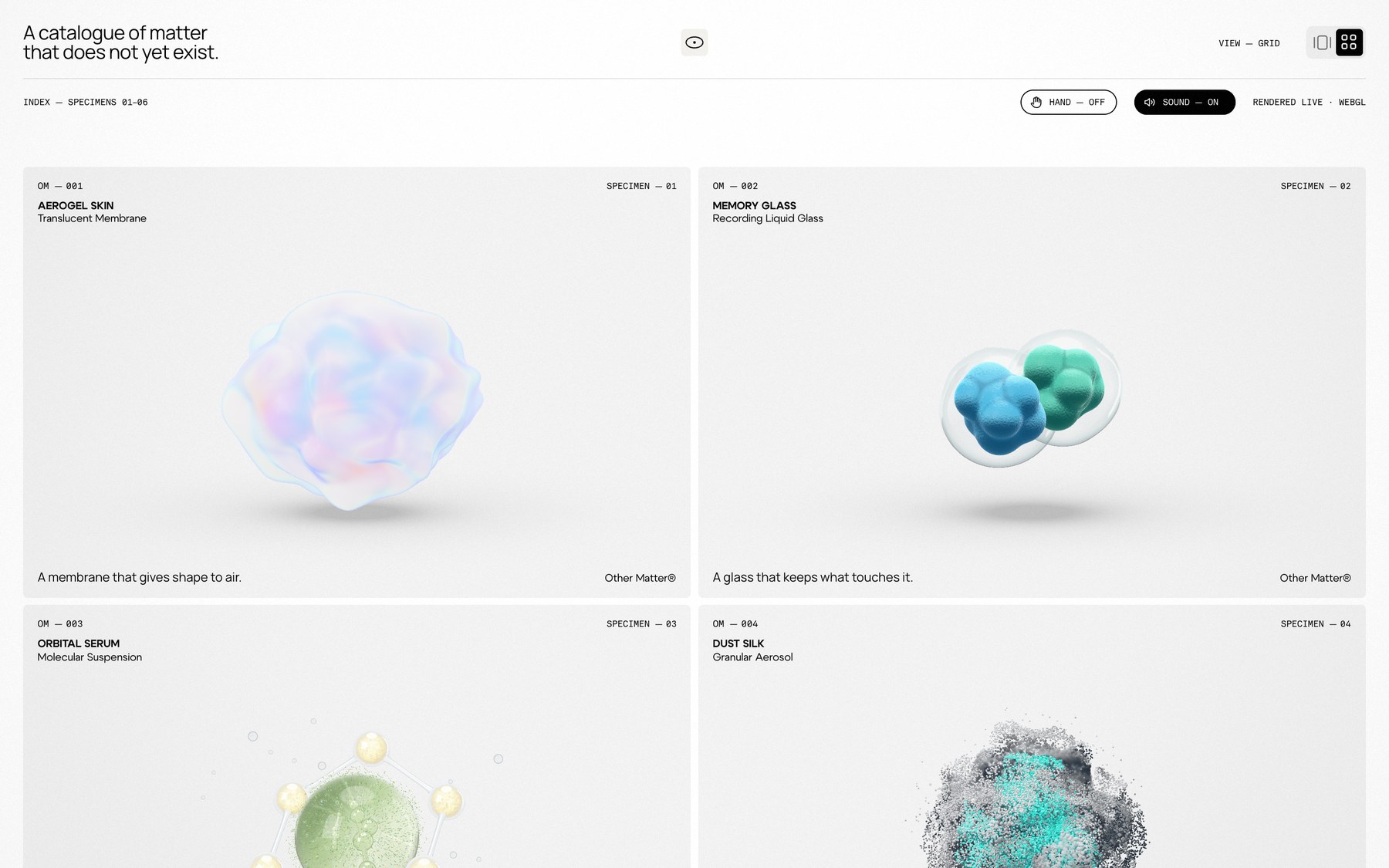
Grid index | | The landing view after the intro: live specimens in the two-column grid of cards, Aerogel Skin and Memory Glass in the first row.
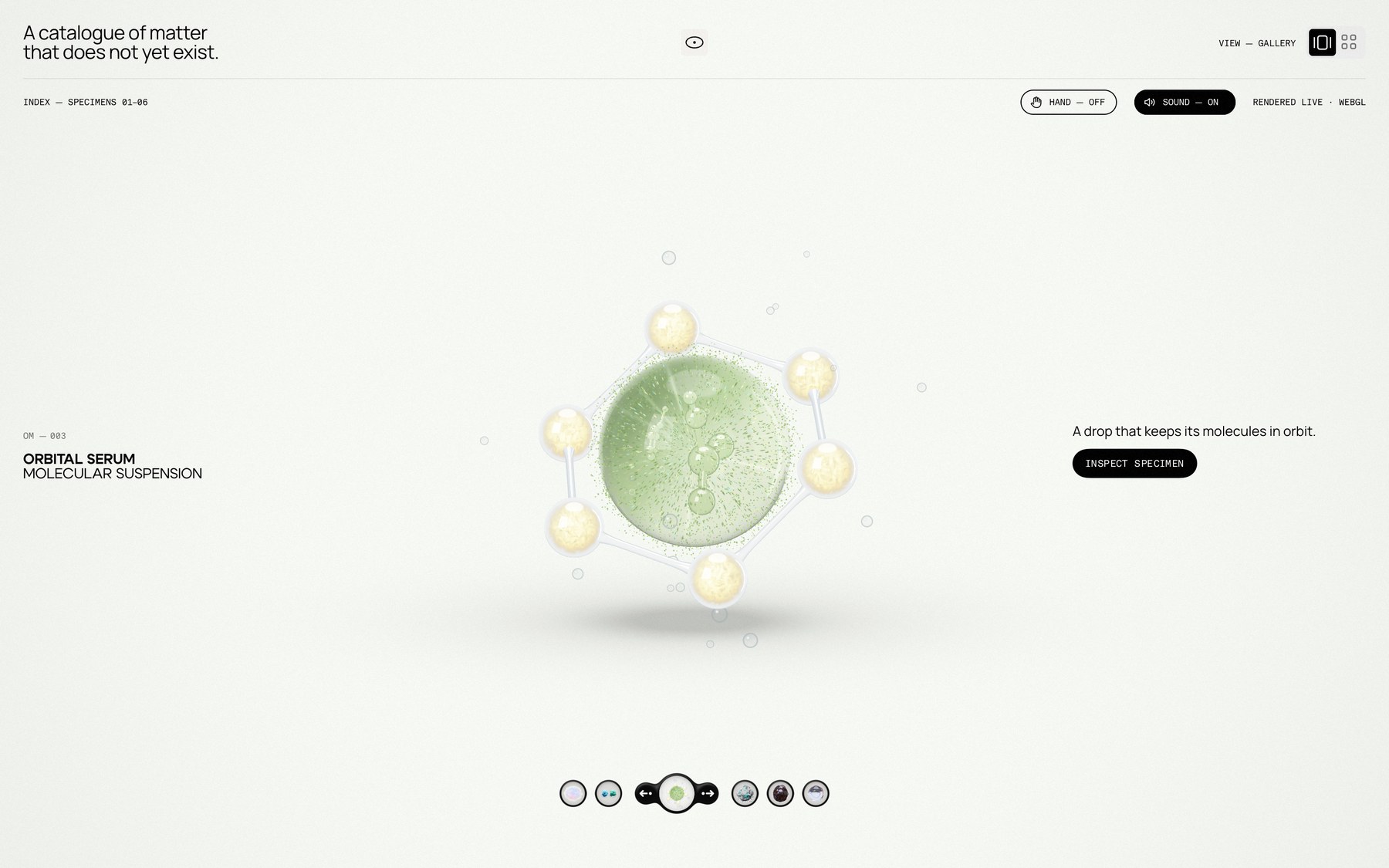
Orbital Serum stage | | Gallery view: Orbital Serum alone on the stage, with its name, one-line description, Inspect button and the liquid bead slider below.
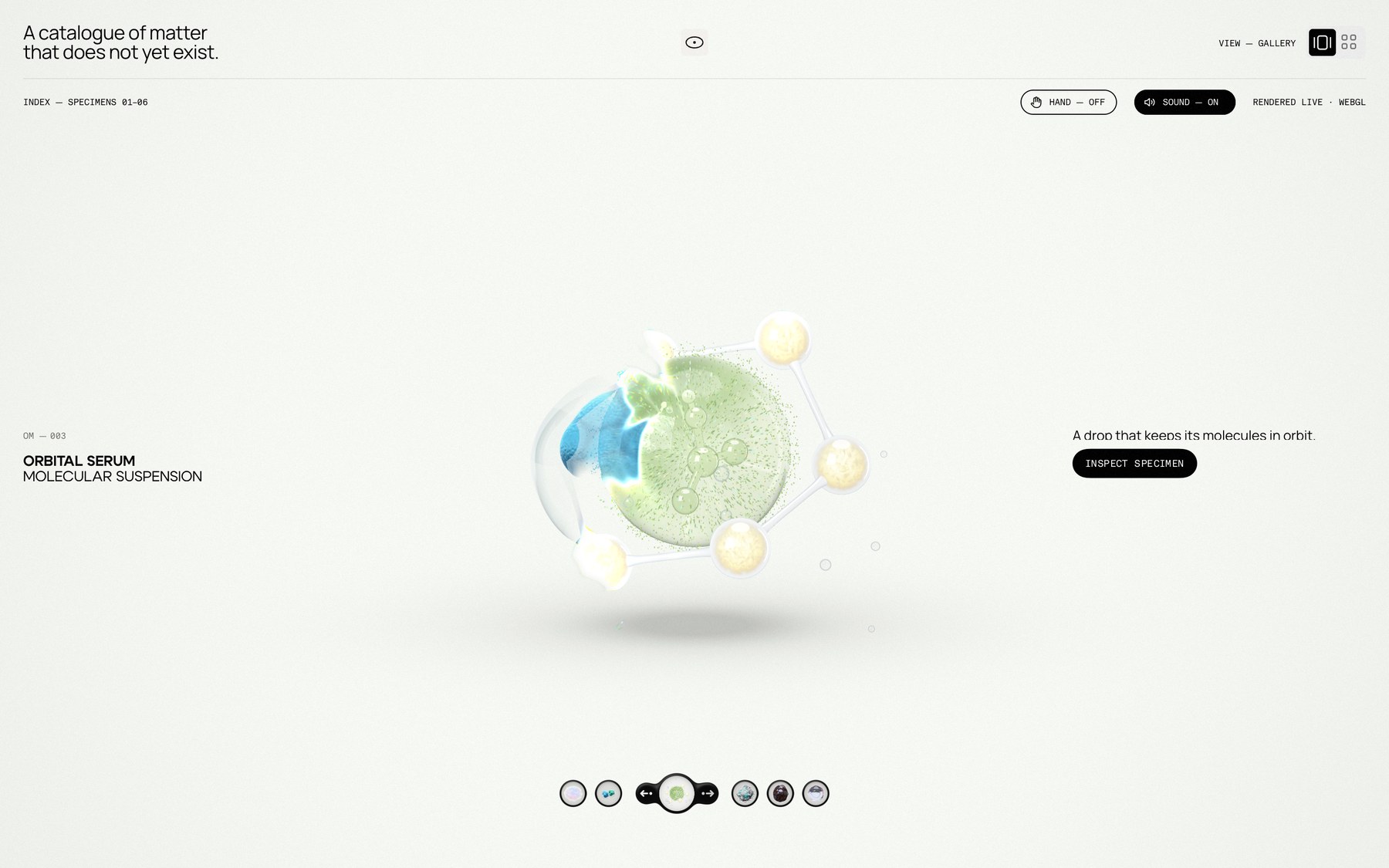
Transmutation front | | Memory Glass turning into Orbital Serum 0.8 s into the 1.5 s transition, across a curved seam with an iridescent line.
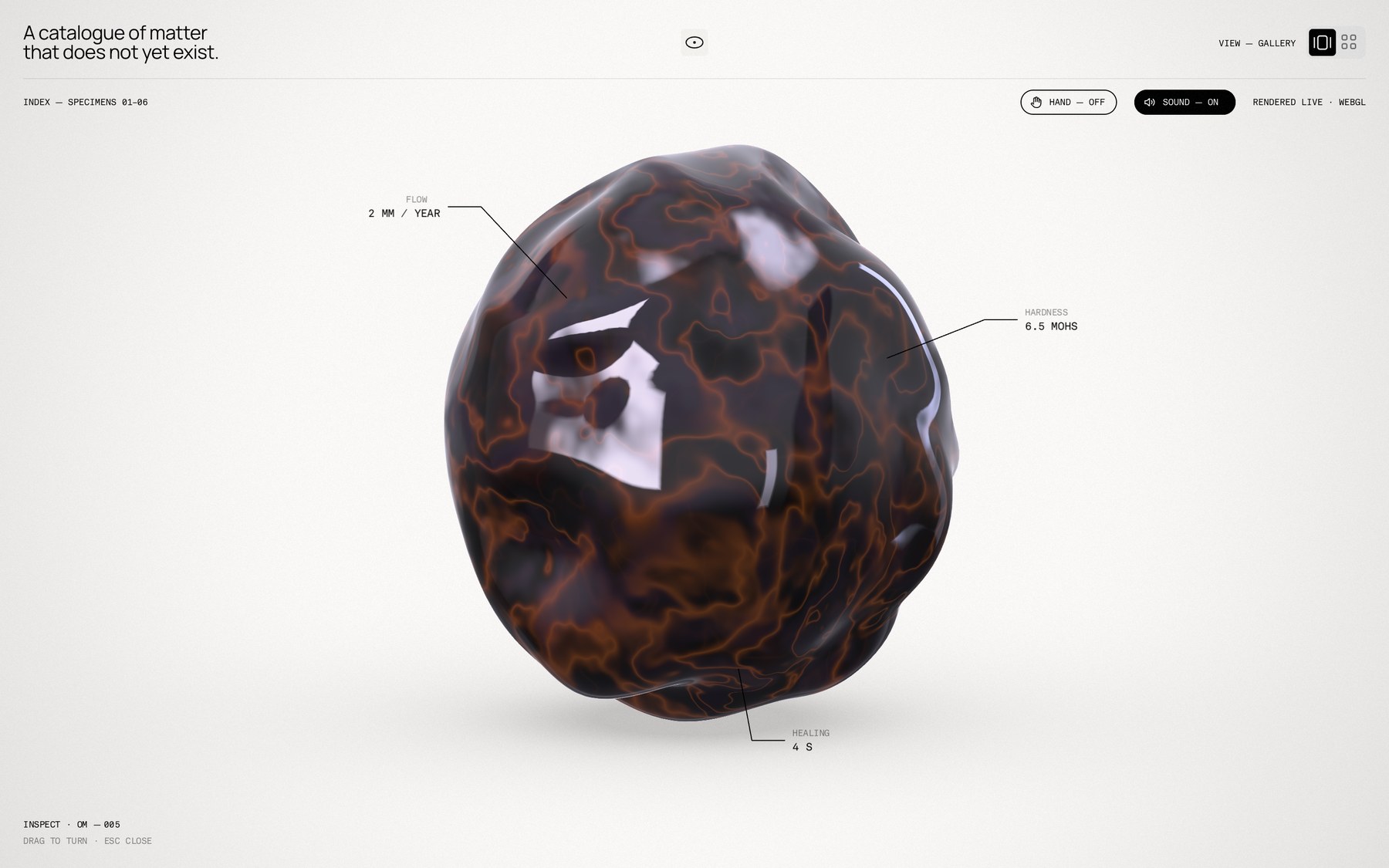
Inspect readings | | Liquid Stone in Inspect mode: FLOW 2 MM / YEAR, HARDNESS 6.5 MOHS and HEALING 4 S pinned to its surface by leader lines.
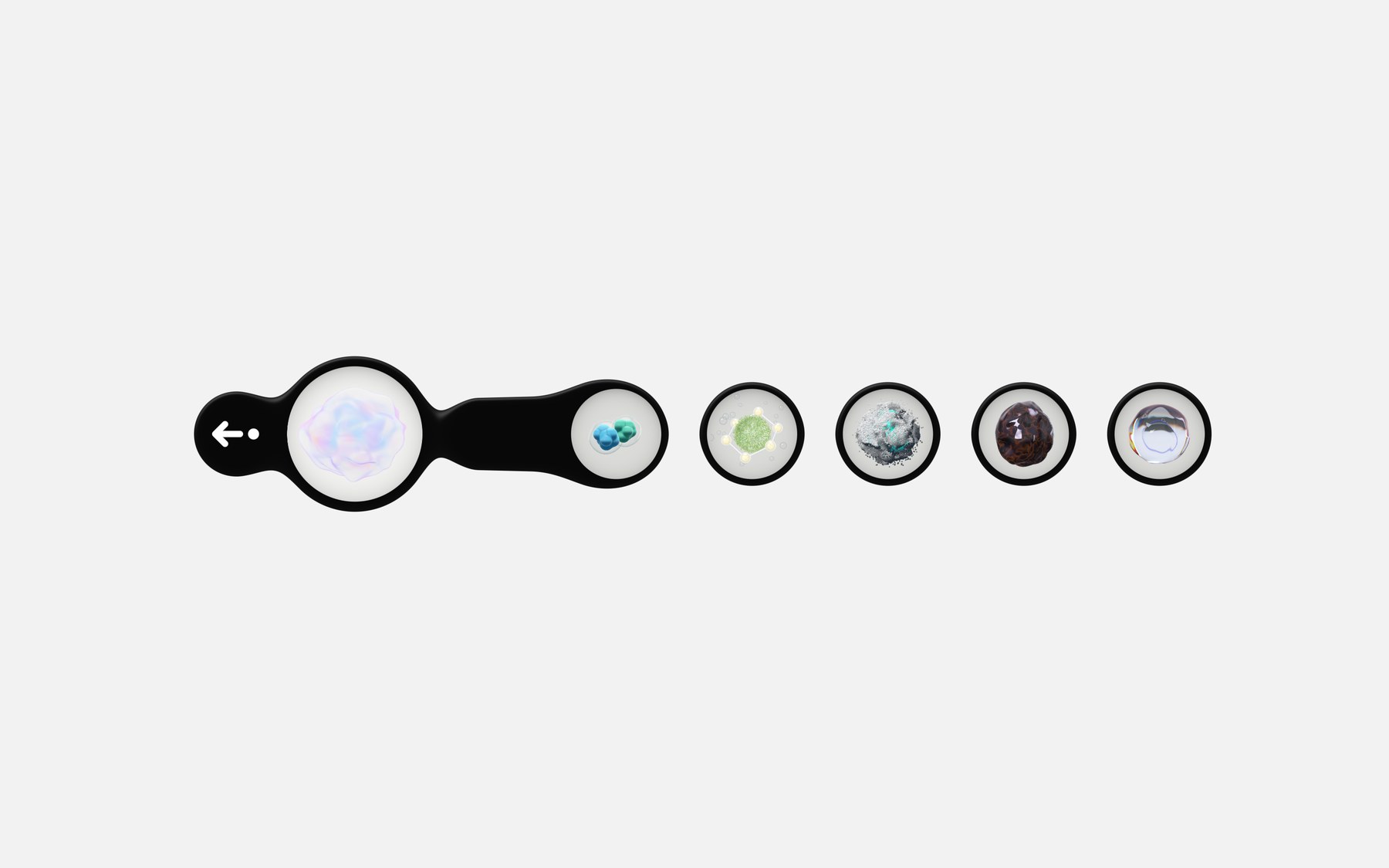
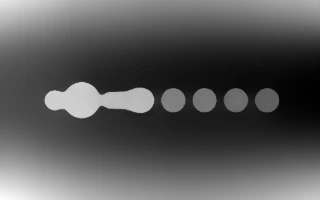
Liquid slider | | The liquid bead slider on its own, held mid-drag: the black liquid stretches from the active bead and bridges into its neighbour.
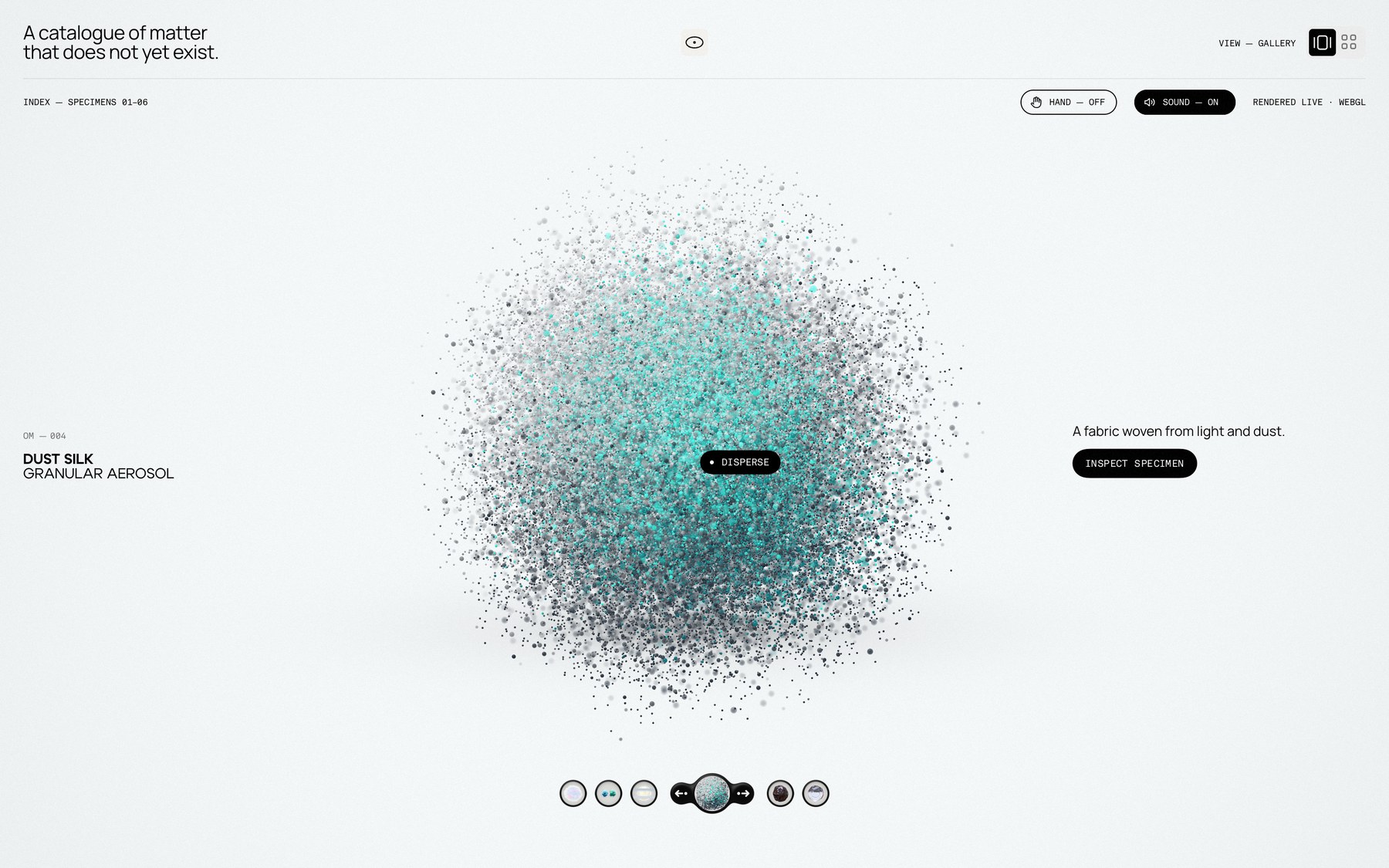
Dust Silk dispersed | | Dust Silk grains blown apart by a click, with the cursor pill reading DISPERSE.
Yellow #F7D55C
Serum #9CBF6E
Background #FFFFFF
Card #F2F2F2
Ink #000000
FORM
form
Adaptive workspace
2026
A project workspace that answers with interface, not chat: type what you need and it becomes a tracker, a timeline, a team workload or a client brief. A new project leaves the agent as ink volumes that cool into glass cards. Every change is one of 67 operations, so every step can be undone.
form-living-interface.vercel.appRun a creative studio's projects in an interface that changes shape around intent.
In progress, demo live, 2026
Framework: Next.js 16.4, React 19.3; Motion: Motion 14.1, SVG goo filter; AI: Claude Sonnet 5.5, Anthropic SDK
Snippet
const ax = (k * (home.cx - p.x) - c * p.vx) / p.m + fx;
const ay = (k * (home.cy - p.y) - c * p.vy) / p.m + fy;
p.vx += ax * dt;
p.vy += ay * dt;
p.x += p.vx * dt;
SVG goo · 10 spring volumes · 2 sub-steps
Code
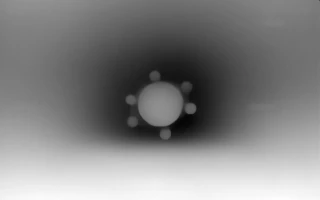
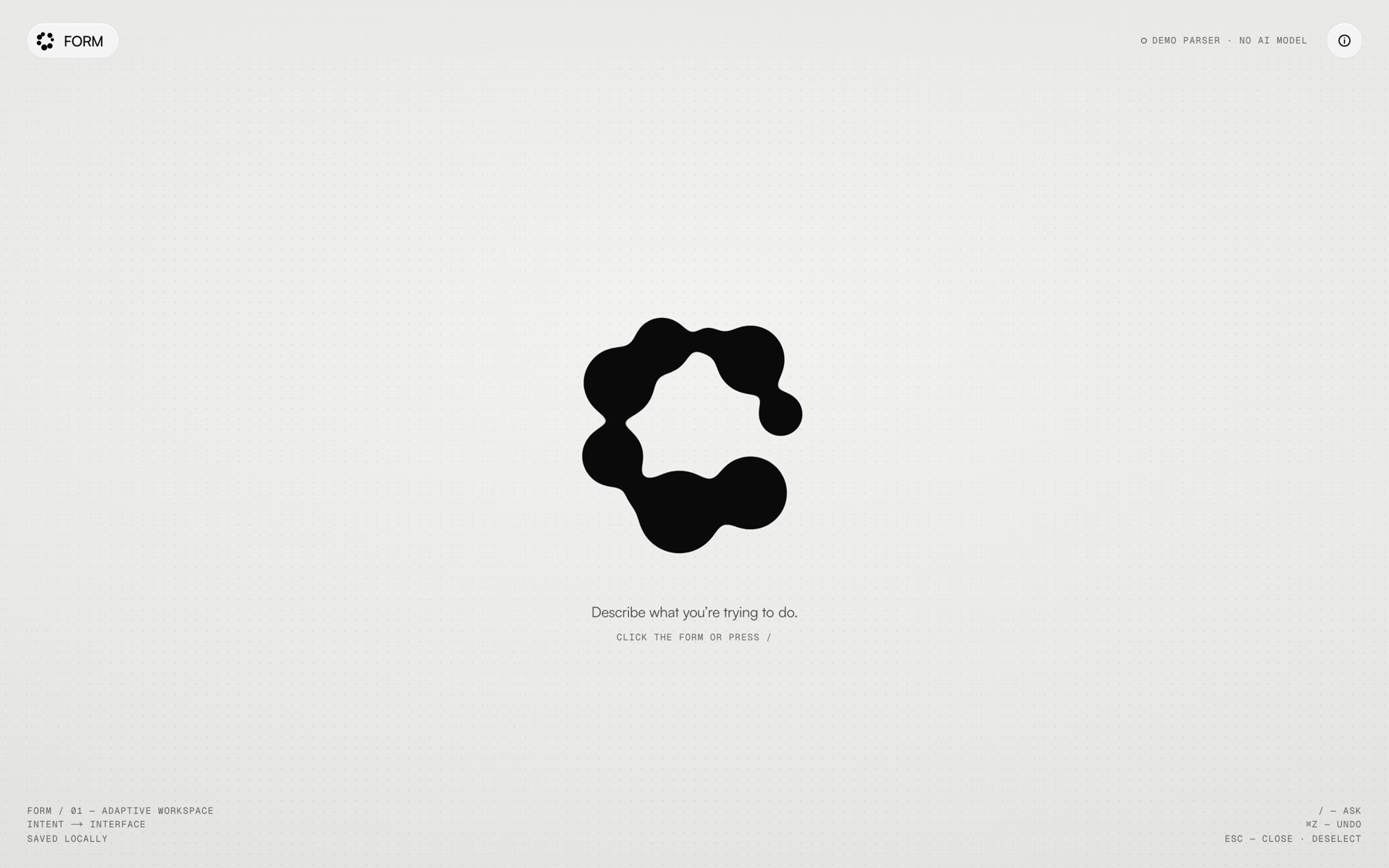
Agent at rest | | The empty workspace: the agent, a ring of fused ink volumes with one satellite, alone in the centre above the prompt line.
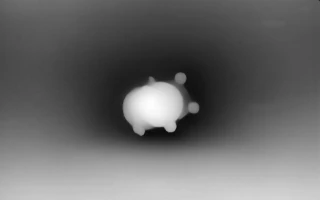
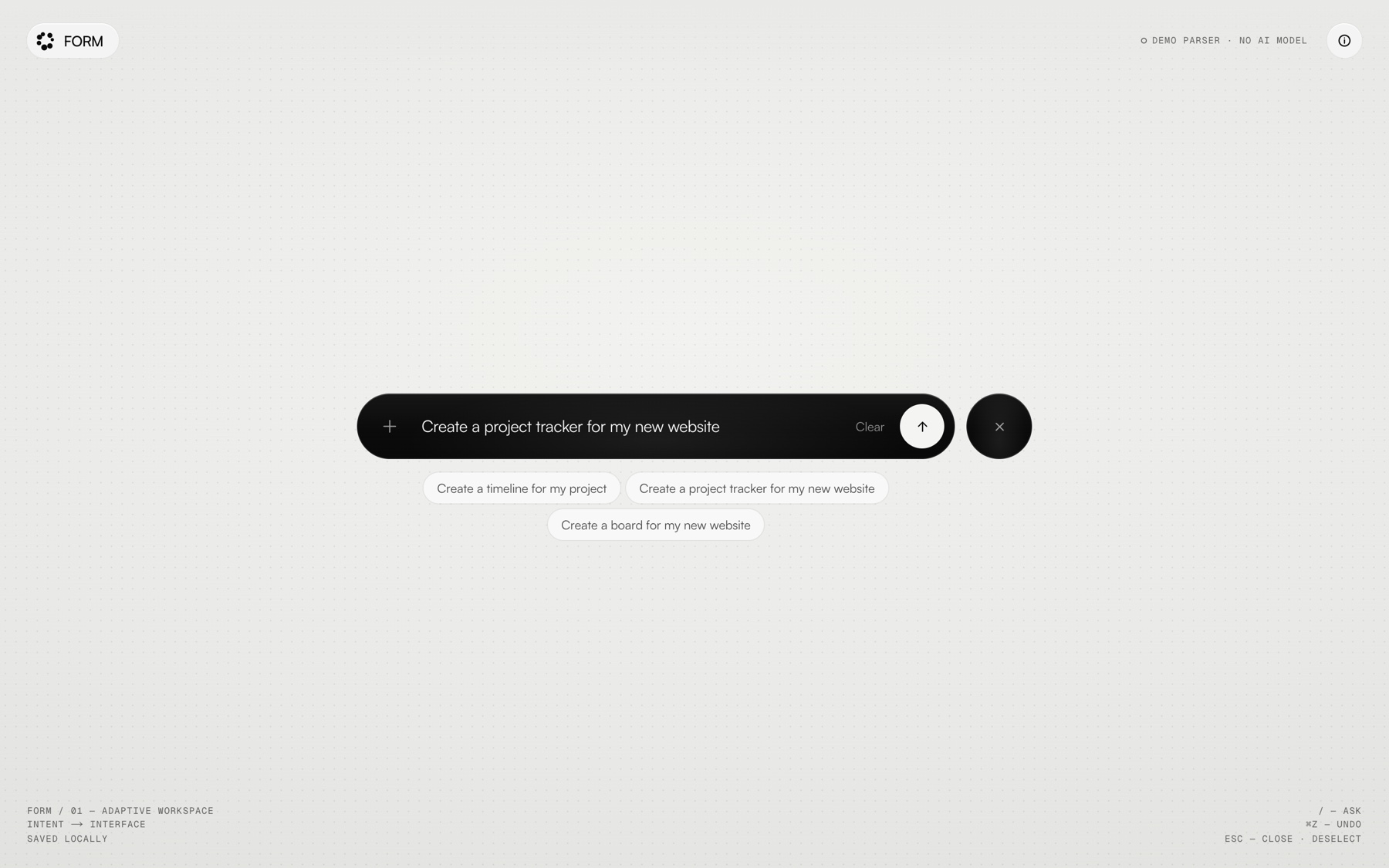
Command capsule | | The agent stretched into the dark command capsule holding the typed request, one volume detached as the round close button, suggested commands below.
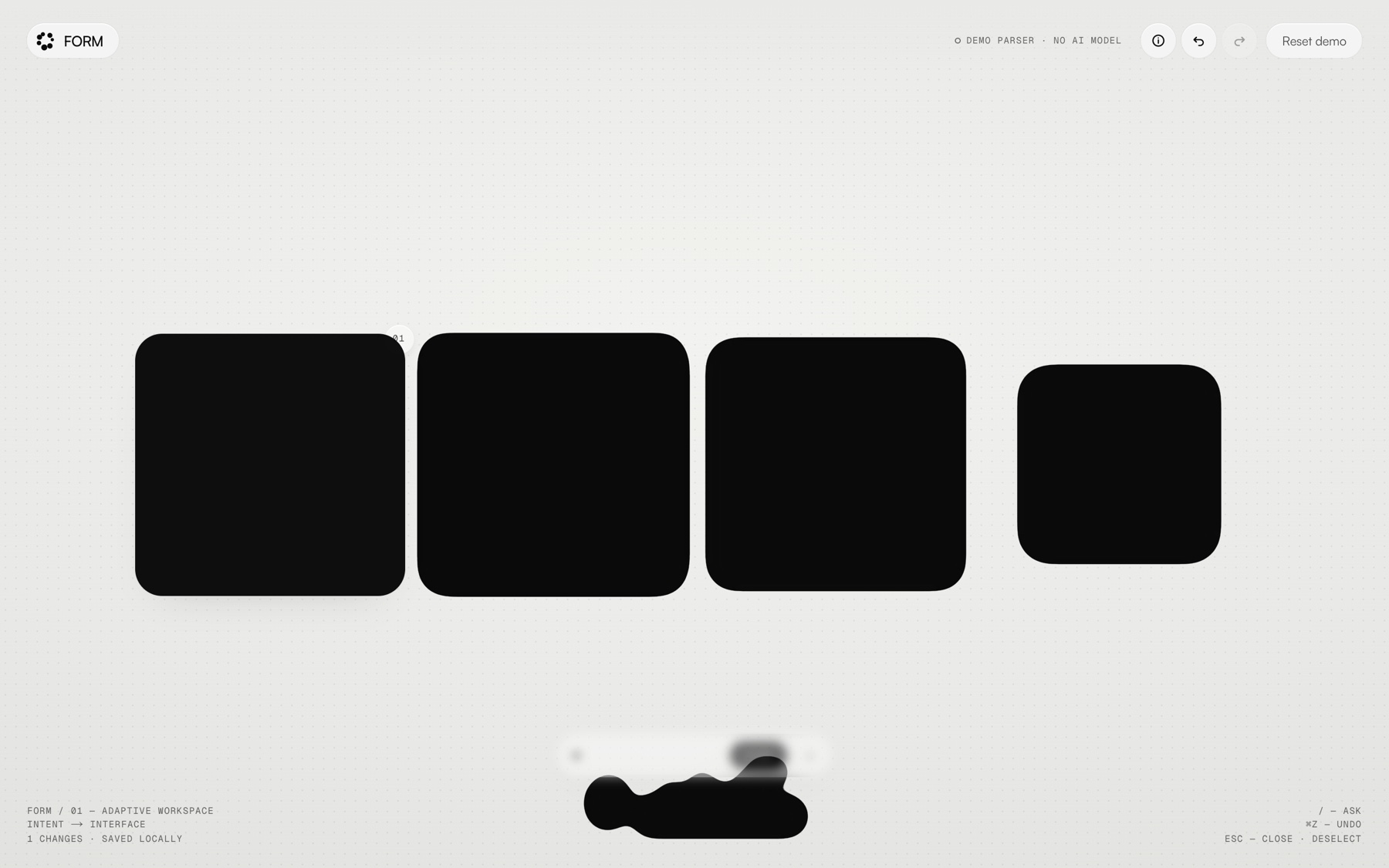
Cards being born | | About 1.3 s after Enter: four black ink silhouettes have landed in their card slots, not yet glass, while the agent sinks back toward the dock.
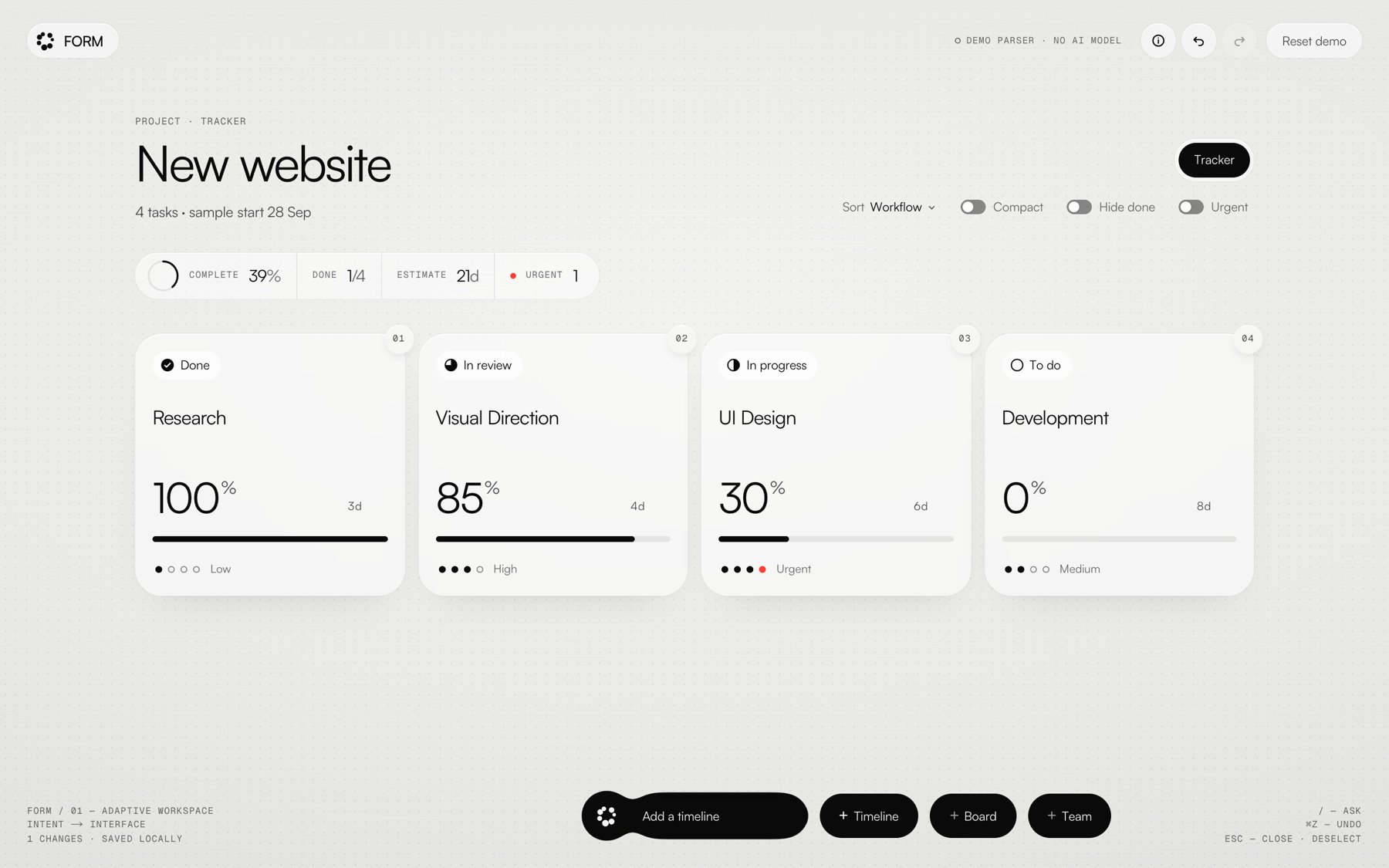
Tracker and view nodes | | Four glass task cards for New website; the agent docked as a pill reading Add a timeline while the + Timeline node is hovered, beside + Board and + Team.
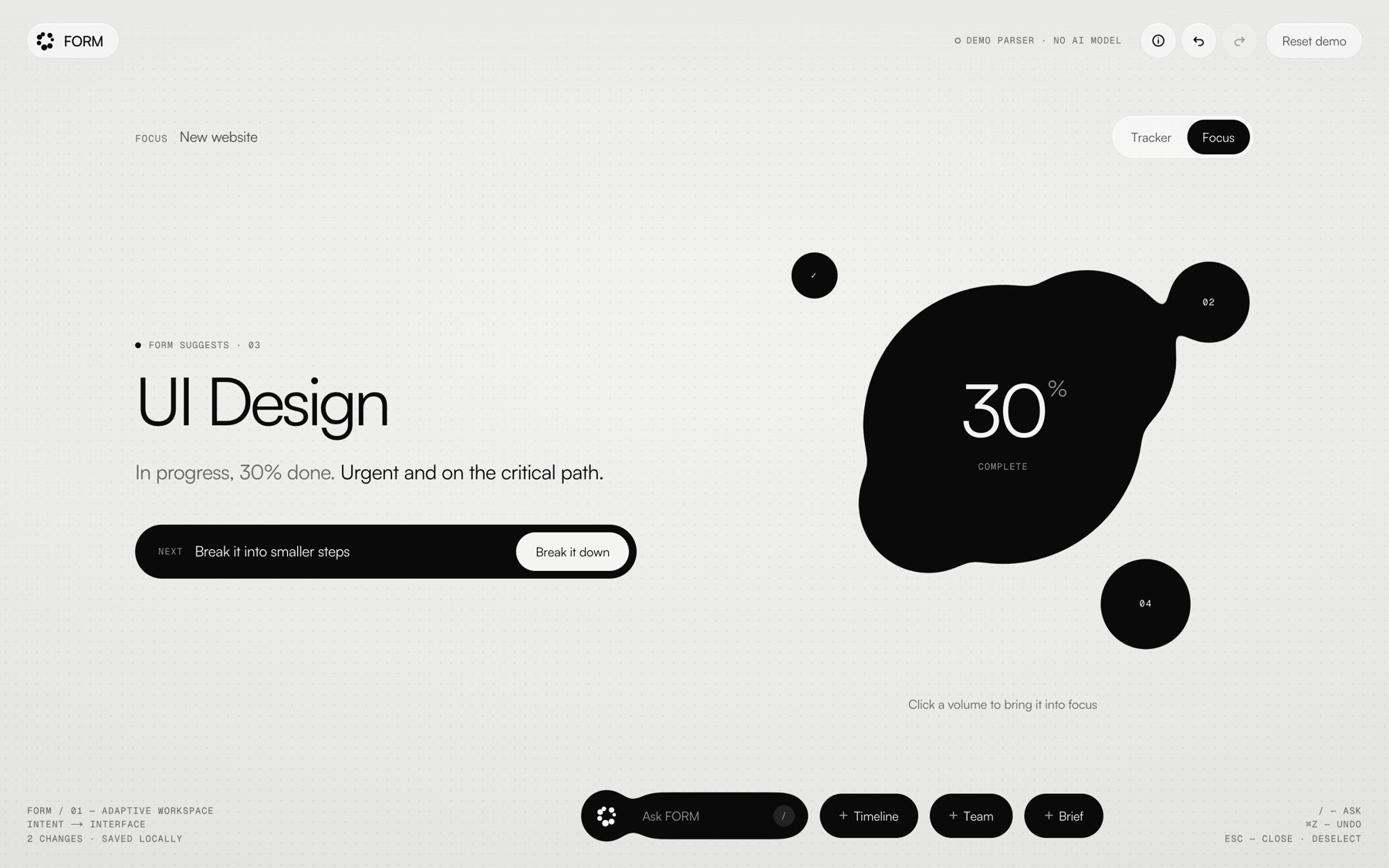
Focus view | | Focus view: FORM picks UI Design and says why (in progress, 30% done, urgent, on the critical path); the task is the large ink volume, the other tasks small volumes around it.
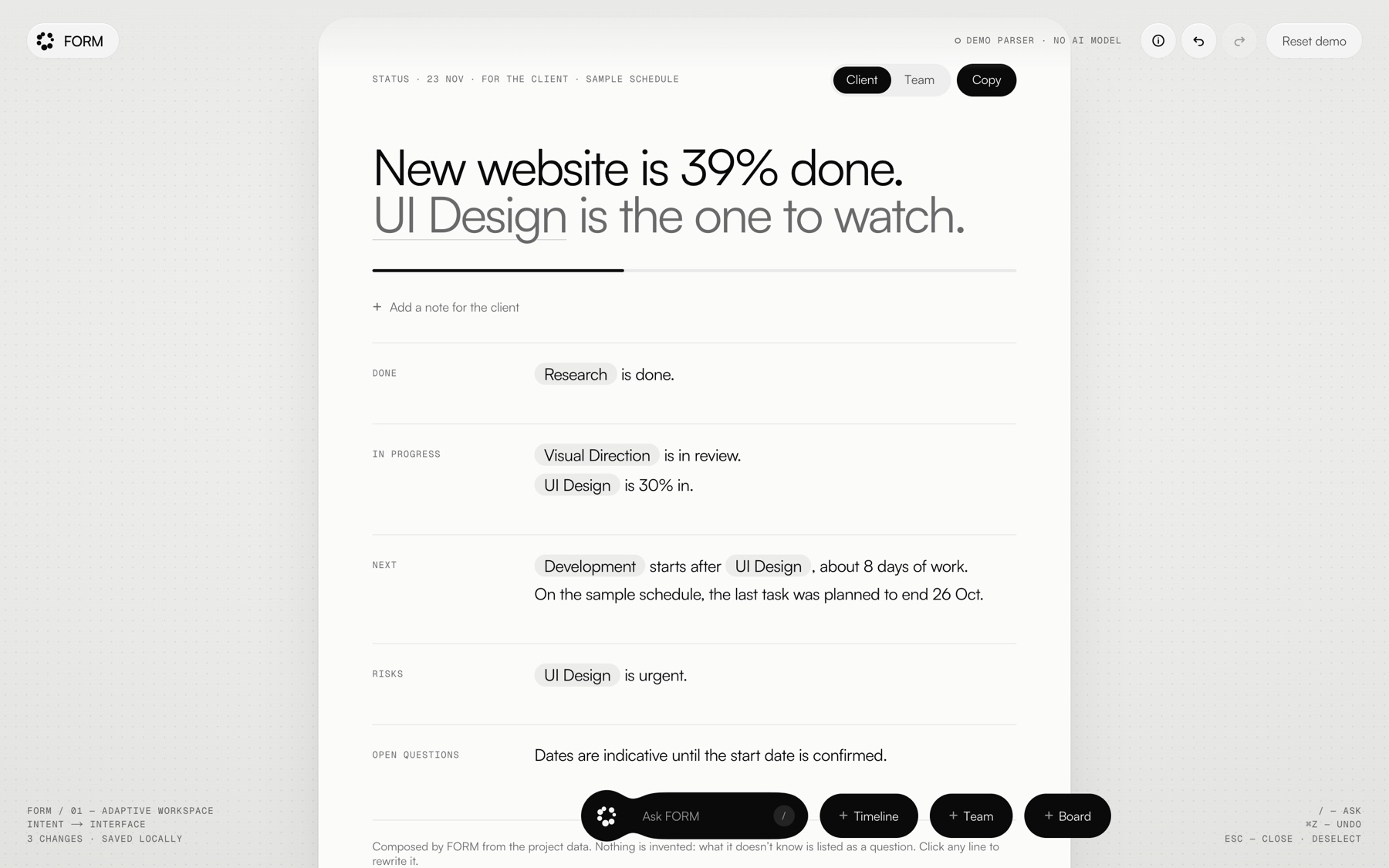
Client brief | | The client status update composed from the project data: headline, then done, in progress, next, risks and open questions on one paper card.
Ink #0A0A0A
Paper #E9E9E6
Glass #F6F6F4
Signal #FF3B2F
Morrow
morrow-app
Desktop work companion
2026
A Mac companion you tell what happened, typed or spoken, in English or Italian. It sorts each sentence into done, next, waiting and reminders, files it under a project and answers questions about it later. Speech is recognised on the Mac: if the words don't read as the expected language, it switches and replays the audio it kept in memory.
Tell Morrow what happened. It remembers everything else.
Private test build, 2026
App: Electron 44.5.1 + React 19.3; Speech: Swift, SFSpeechRecognizer on-device; Voice: ElevenLabs (own key) or AVSpeechSynthesizer; Memory: node:sqlite + FTS5
Snippet
let fit = languageFit(text, localeId)
let conf = confidenceCount > 0 ? confidence : 0.5
return fit * 0.75 + conf * 0.25
Swift · it-IT / en-US · 2nd pass below 0.9
Code
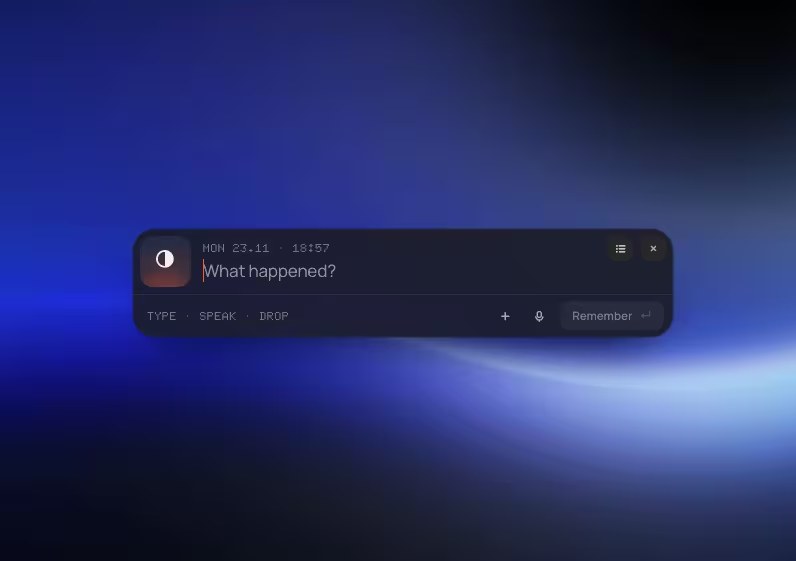
Command panel | | Empty command panel, Mon 23.11 · 18:57: What happened? with Type · speak · drop, attach, mic and Remember.
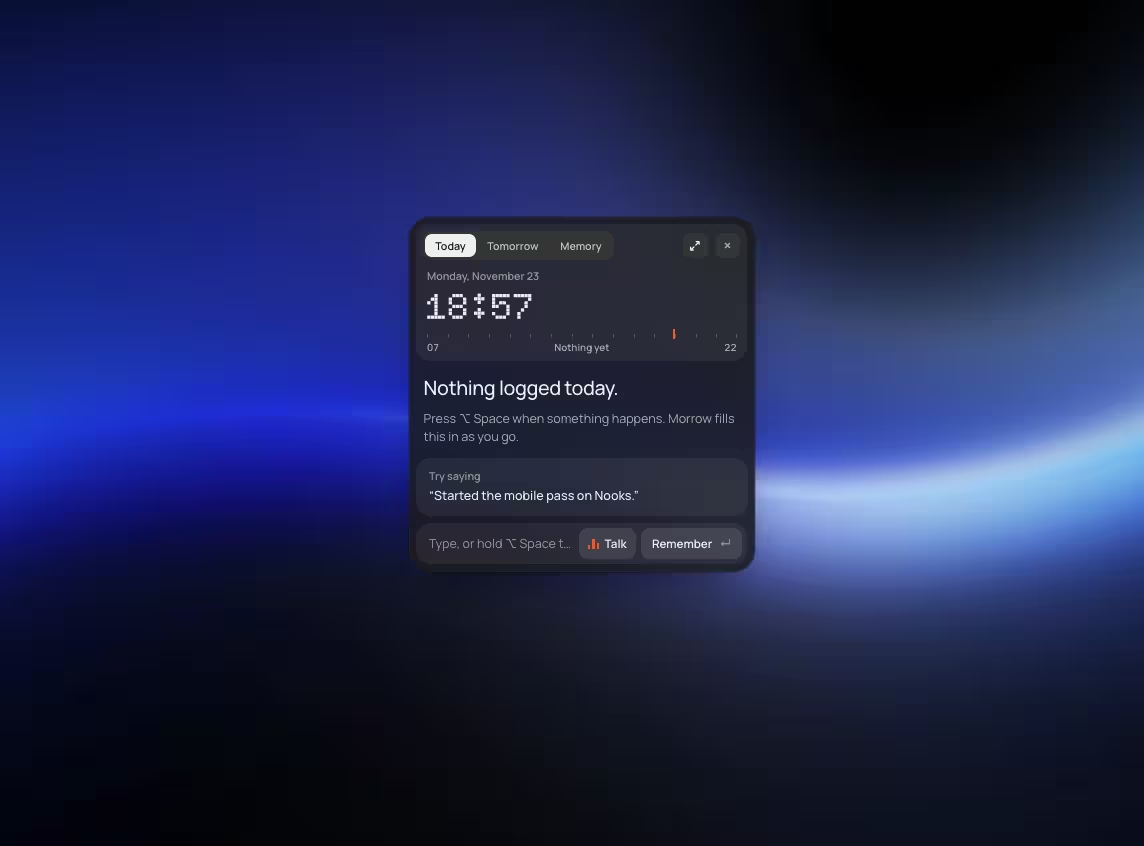
Empty Today | | Today with nothing logged yet: dot-matrix 18:57 over a 07–22 ruler, and Try saying, Started the mobile pass on Nooks.
Studio voice | | Morrow Studio on Voice: Hope picked of four voices, ElevenLabs key, Minimal at 1.2×, preview 2 waiting · Dan, 2 days.
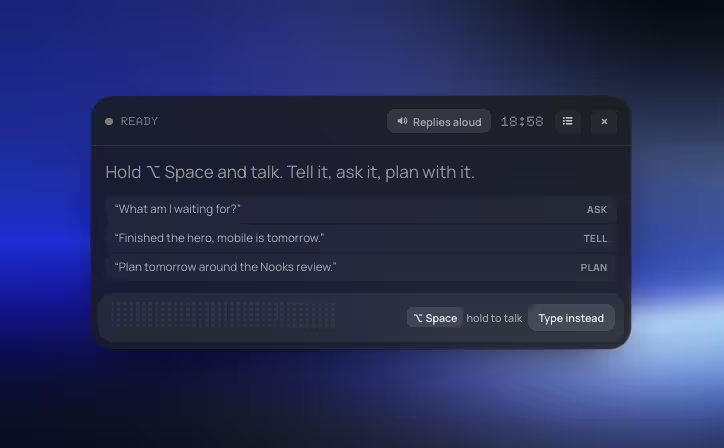
Talk ready | | Talk ready, replies aloud: Hold ⌥ Space and talk, then Ask, Tell and Plan examples, from What am I waiting for? to the Nooks review.
Ember #FF5A1F
Charcoal #1C1C1B
Deep #141413
Ink #F3F2EE
Secondary #353533
Paper #F7F6F1

SYNTH
synth
Textile concept site
2026
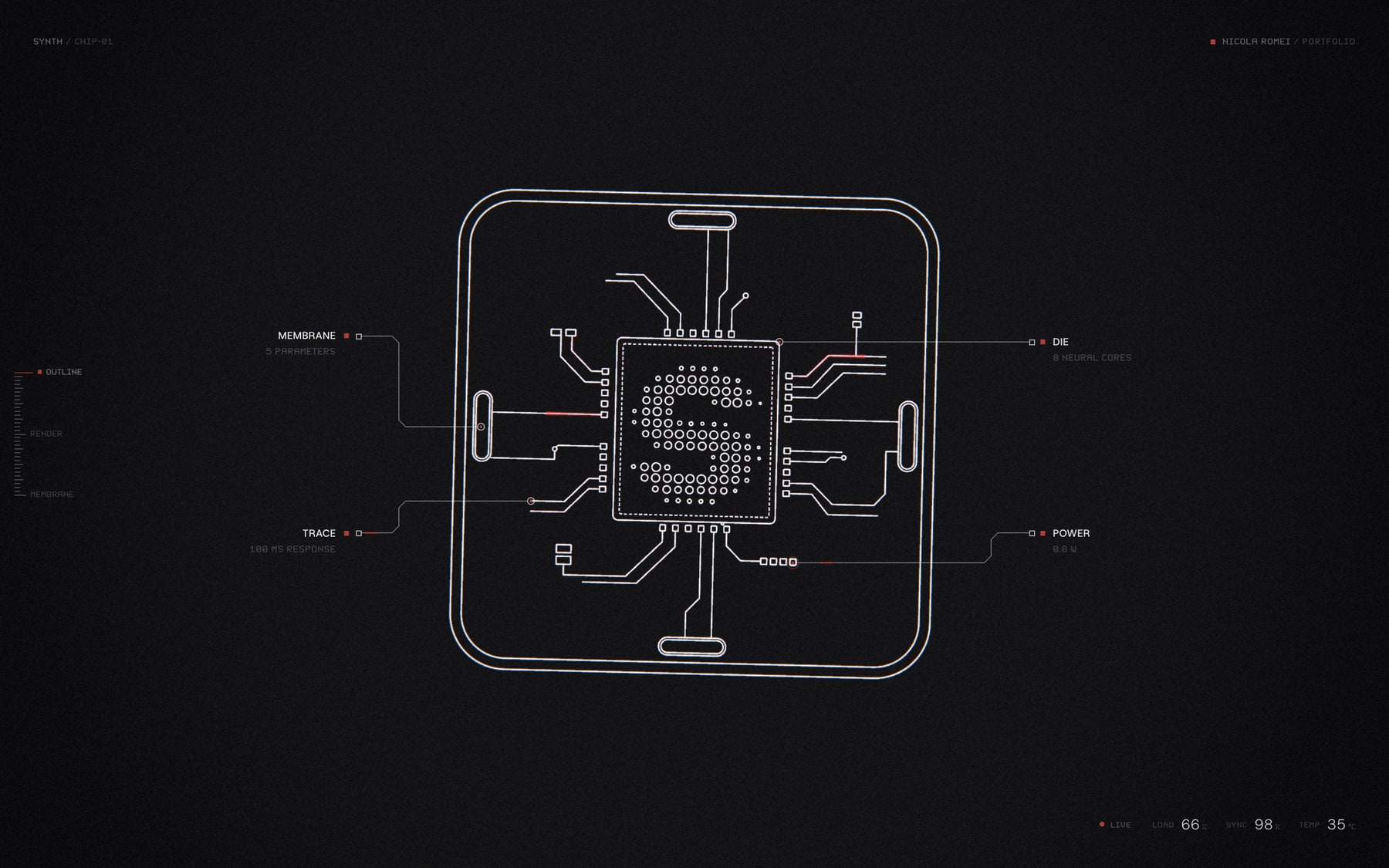
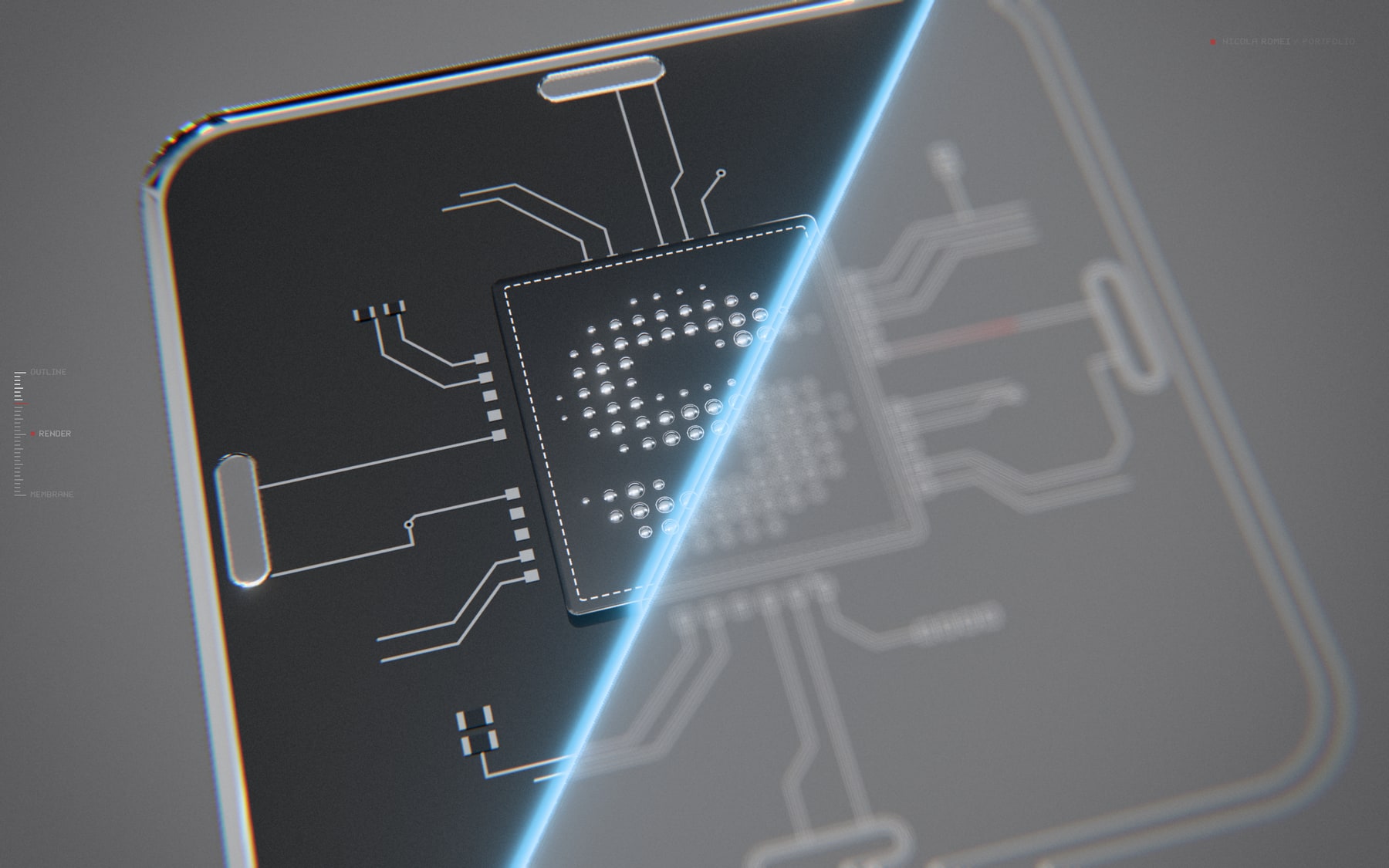
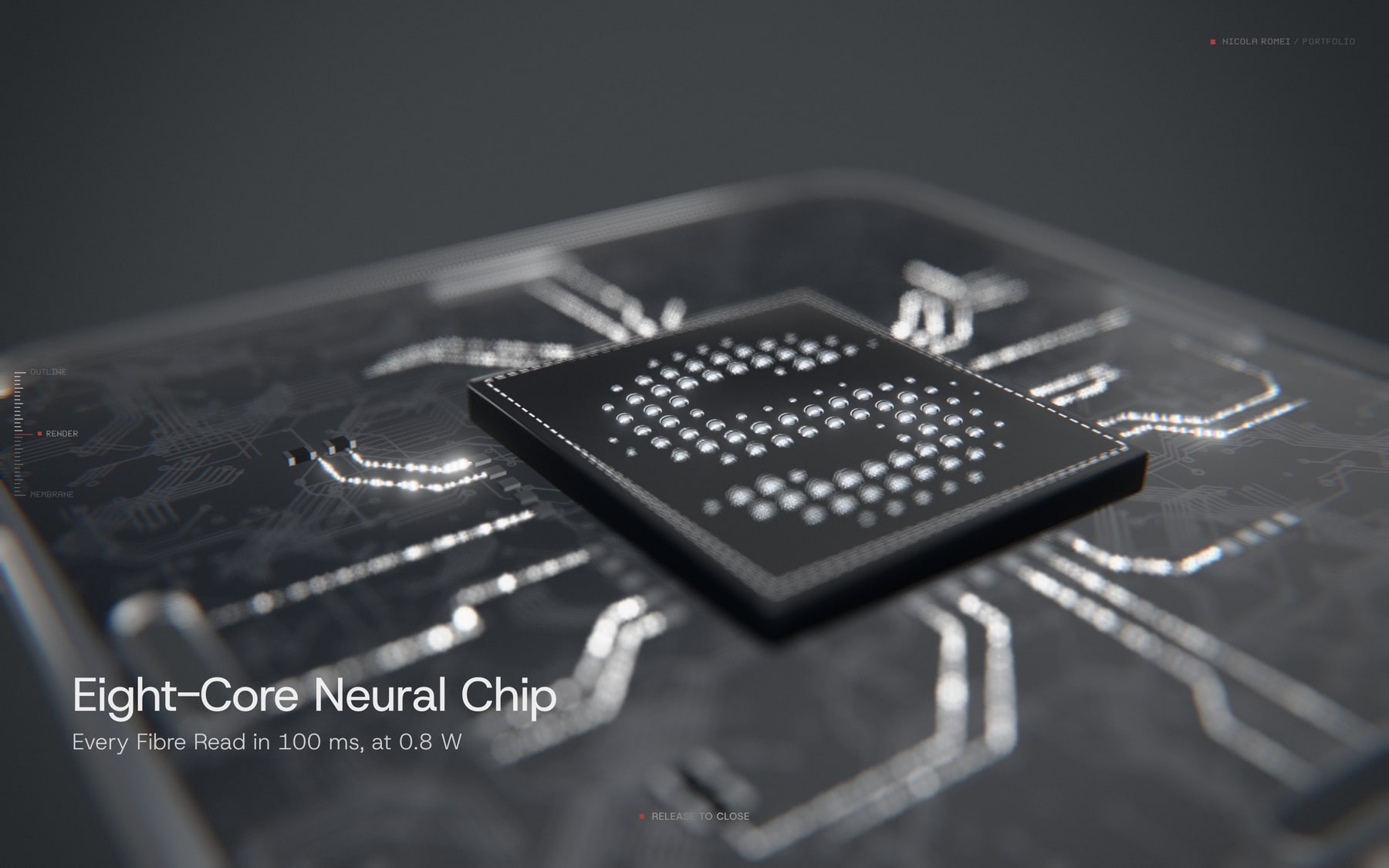
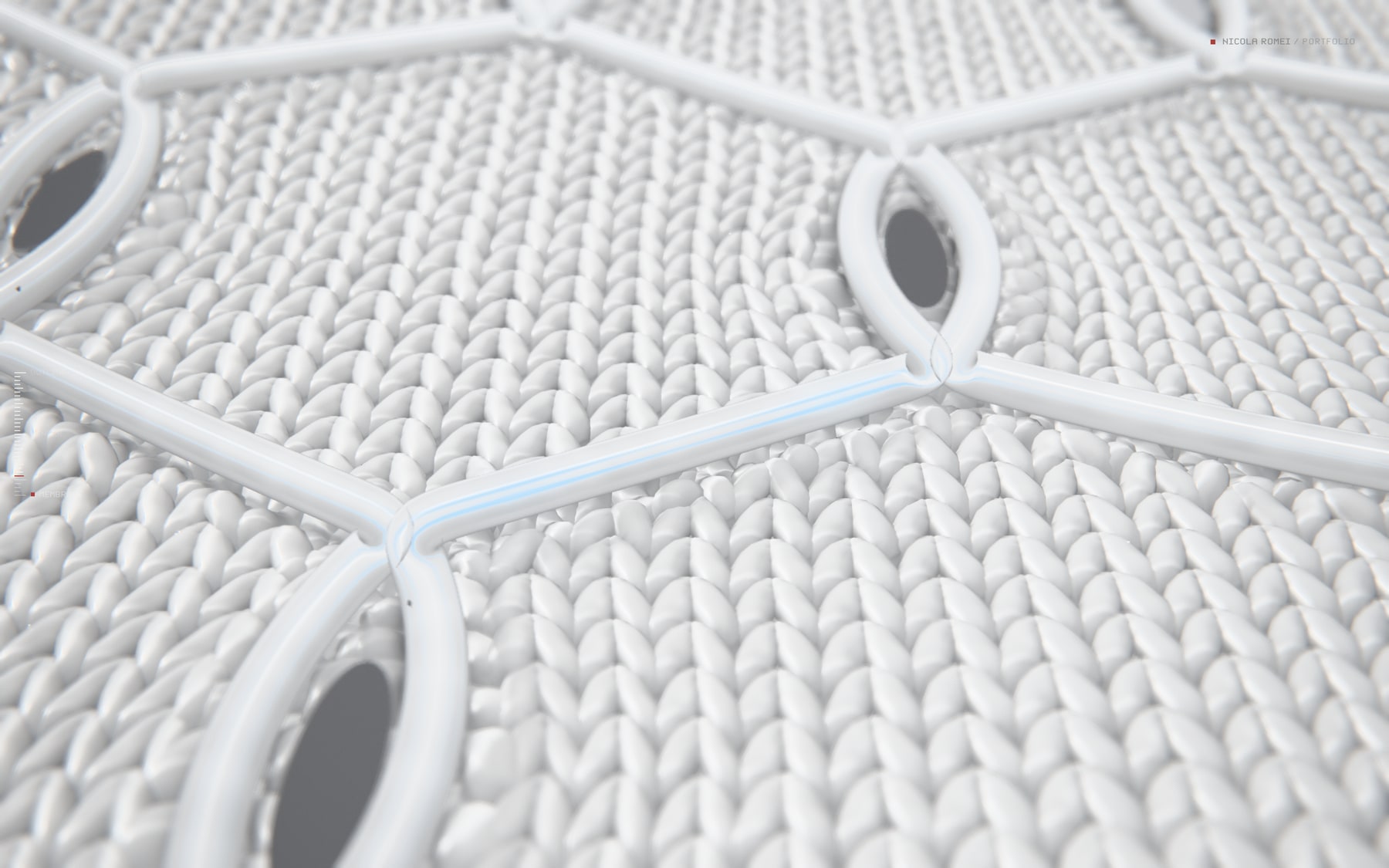
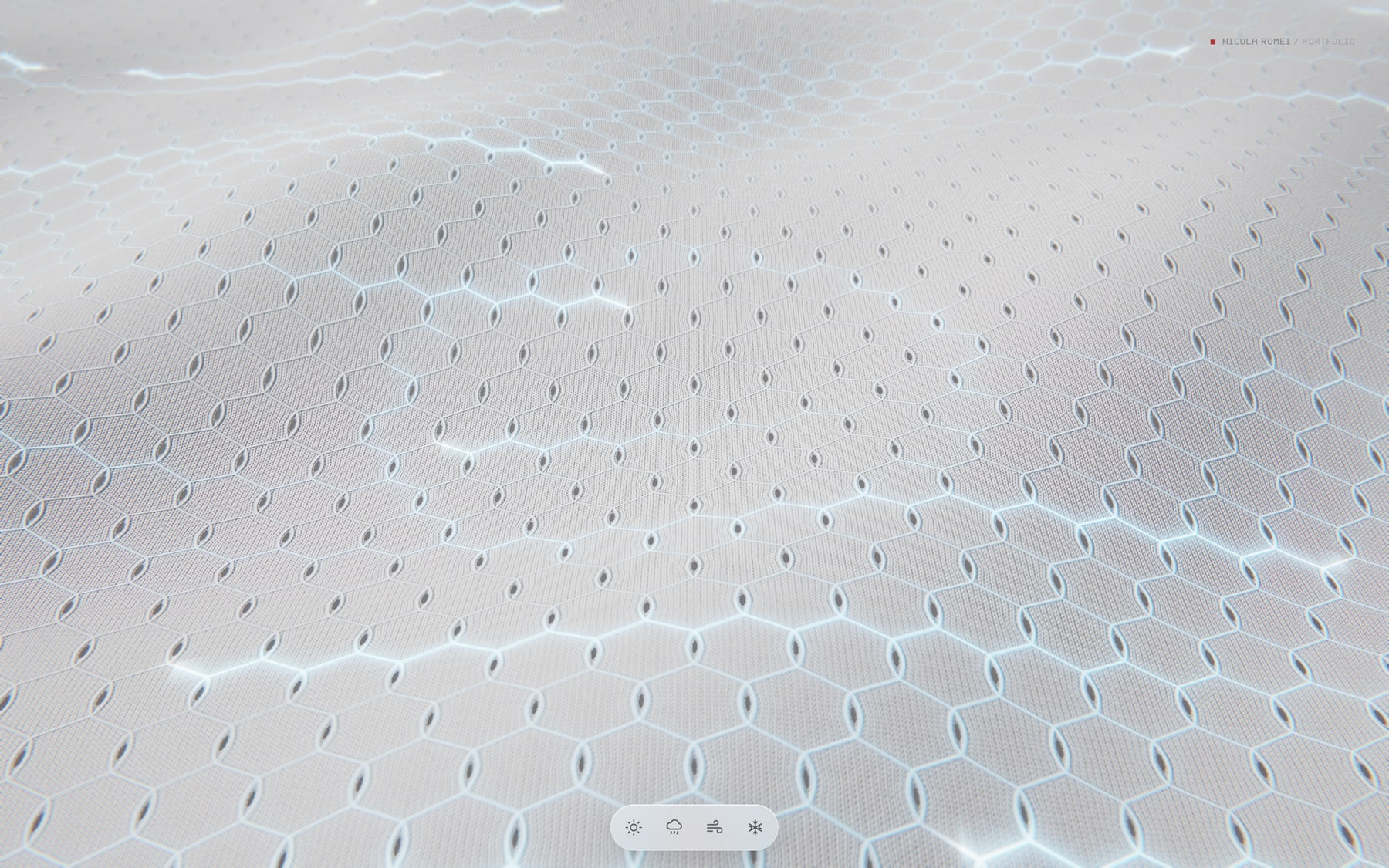
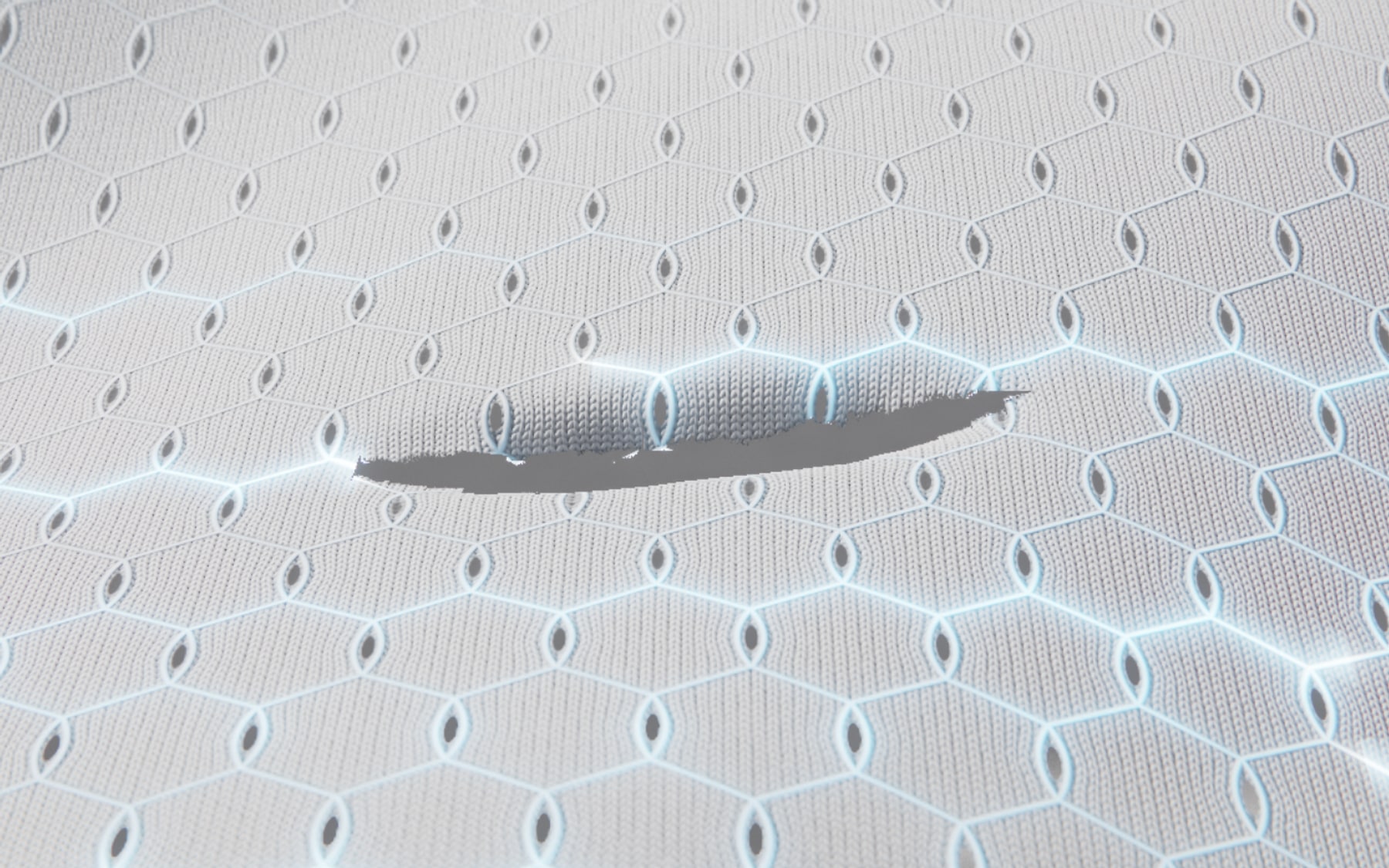
SYNTH is a speculative adaptive textile, told in three steps on one screen: the chip as a drawing, the chip rendered, then the fabric around it. A blue front turns drawing into object, the camera pulls back from the chip, caught in one strand of the web, until the whole fabric is in view, and a WebGPU cloth of 256 × 256 particles dents, tears and heals under the cursor.
synth-membrane.vercel.appShow a textile that does not exist yet, from the chip that reads its fibres out to the cloth itself.
Live, 2026
Engine: three.js r185; Cloth: WebGPU + WGSL, no library; Step rail: GSAP 3.15.1; Design: Figma, Photoshop, Figma Weave
Fragment
float swd = dot(vSw.xz, uSweepDir) - uSweep;
gl_FragColor.a *= uLines * smoothstep(-0.14, 0.0, swd);
gl_FragColor.rgb += uGlowCol * 0.35 * exp(-abs(swd) * 45.0) * uGlow;
three r185 · LineMaterial via onBeforeCompile · front from -1.55 to 1.55
Code
Step one, outline | | The chip drawn in white outlines from above, with red pulses on its traces and four callouts, MEMBRANE, TRACE, DIE and POWER, routed to it like board traces.
The reveal front | | Halfway from step one to two: a blue front crosses the part, with the solid board and chrome rim behind it and only the drawing ahead of it.
Inside the part | | Holding on the part drops the light to one pool, turns the housing to smoked glass and lights the copper layers under the title Eight-Core Neural Chip.
Knit and web | | A frame from the pull-back into step three: white knit stitches under the milky hexagonal web, which parts around eyelet slots and carries a faint blue filament.
Step three, membrane | | The WebGPU cloth at rest in calm weather: a draped pale knit with its hex web and slots, and the four weather buttons in a glass pill.
Torn knit | | A press dragged across the membrane holds a rip open with the stitches showing on its torn lip; on release, one front of new knit closes it.
Signal #AB3E3C
Graphite #141414
Membrane #D9DADD
LED #6FCEFF
Ink #F2F2F2